 Anemone & Collarette
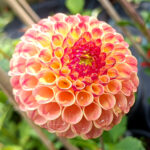 Pompon
 Ball
Ball Decorative
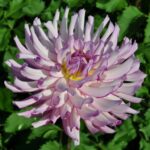 Cactus & Semi Cactus
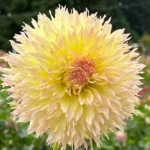 Laciniated or Fimbriated
 Waterlily
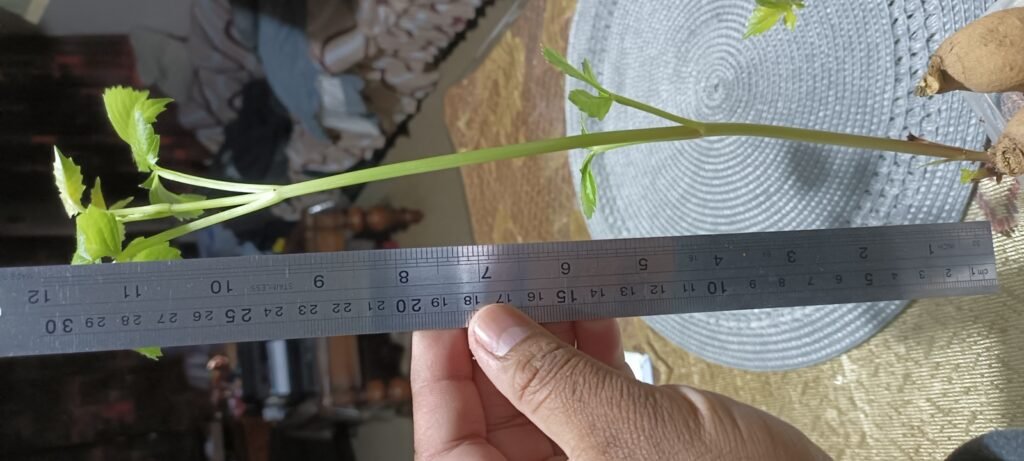
Leggy shoot
Example of a Leggy Shoot that needed trimming before it could be sent, this shoot was 30cm tall last season.

Caring for dahlia tubers isn’t difficult, but a few simple steps can make the difference between a plant that just survives and one that bursts into bloom. We’ve put together these notes to help you get the very best from your tubers once they arrive.
The crown (where the “eyes” are) is the heart of your tuber, and it’s very delicate. Avoid poking or pressing it, as this can damage the growing points.
For best results, start your tuber in a small pot indoors on a north-facing windowsill. Plant outside only when the weather warms — most gardeners in NZ plant out around Labour Weekend.
👉 If potting, try to cover the crown so the eyes aren’t exposed to direct sunlight (which can stop them sprouting). If your pot is too shallow, keep it somewhere warm and shaded until shoots appear, then move into sunlight.
Drop a few slug/snail pellets around your planted tuber. These critters love tender young shoots at night, and you don’t want to wake up to missing growth.
If your tuber has a yellow powder on it, that’s sulphur. It helps prevent rot. It isn’t harmful to the tuber, but please don’t inhale or ingest it. The easiest way to handle your tuber is in a small container until it’s planted.
Some tubers have long, thin necks that can easily break. Occasionally growers tape them for safe travel (a broken neck won’t sprout). If your tuber has tape, leave it on. This practice is rare now, but we’d rather send them secure than risk breakage.
👉 Plant as in step 1, and if it hasn’t sprouted within 2–4 weeks, let us know. A quick email at the 2-week mark and a gentle dig/check at 4 weeks helps us guide you. Some varieties — like Tartan — are naturally very late to wake up.
This is the trickiest part. Too much water causes rot; too little, and the tuber shrivels. Here’s a simple guide:
Lift your pot and check the bottom.
If it looks moist, do not water.
If it looks dry, water carefully with a jug — about 5% of the pot’s size.
1L pot = 50ml
2L pot = 100ml
Water slowly around the soil surface between the crown and the pot edge, not directly onto the crown. If water runs out the bottom, it’s oversaturated.
If a shoot tip breaks (from handling, digging, or transport), the plant may respond by sending out multiple shoots. This is normal — not leafy gall.
👉 Leafy gall looks very different: it produces tight, broccoli-like growth rather than upright shoots. If in doubt, pot your tuber and watch how it grows.
Also remember, different varieties sprout at different times. Some (like Nathalie G) rise quickly, while others (like Tartan) can take their time.
We store tubers in cool but not fully dark spaces. If they sprout early, shoots may grow tall and leggy searching for light. We always try to fit shoots into the box when possible, but in rare cases, trimming is unavoidable. so on rare occasions we trim them back — always allowing the cut to cure properly before shipping. Whenever possible, we leave the shoots intact and carefully fit them into the box.
Some Information regarding Tuber Size
Dahlia tubers naturally vary in size depending on the variety and bloom classification. Smaller flowering varieties such as Pompons and Miniature Balls often produce surprisingly petite tubers — sometimes only around 1–1.5cm thick and approximately 5cm long — while still growing into healthy, vigorous plants. Ball and Miniature Decorative dahlias generally produce slightly larger tubers, with size increasing gradually alongside bloom size. As you move into Medium, Large and Giant decorative or dinnerplate varieties, the tubers become much more substantial, often reaching 3–4cm thick and around 10–12cm long. Tuber shape and size can differ greatly between varieties, and a small tuber does not indicate poor quality — even the tiniest viable tuber can produce a beautiful, thriving dahlia plant.
When planting directly into the garden:
Place a stake in the hole before the tuber, to avoid damaging it later.
Space plants about 30cm apart.
Divide clumps every 2–3 years for the healthiest growth and best blooming.
Some tubers already have active shoots or leaves. When planting these outdoors, remember the new growth isn’t used to full sun and can burn easily.
Best method: pot them first and move them in/out of sunlight, increasing exposure a little each day. This isn’t essential, but it prevents shock from sudden sunlight or cold nights.
If you plant straight out, don’t panic if leaves wilt or discolour — this is a normal adjustment.
Once your plant has 5–6 sets of leaves, pinch out the tip of the main stem (this is called “stopping”). It encourages branching and more flowers.
Do this in the afternoon or on a cloudy day to avoid sap loss. At this stage, also start tying your plant loosely to the stake. Old fabric strips make excellent soft ties.
After pinching, give your plant a little boost with compost, manure, or a balanced fertilizer. Work it into the soil about 3–5 inches away from the crown. Water only if conditions are dry (or let the rain do the job for you).
Look for a fertilizer higher in P and K for flowers and strong roots.
N = Nitrogen → leaves & stems
P = Phosphorus → roots & flowers
K = Potassium → plant health & disease resistance
✨ We hope your garden is overflowing with colour all season long.
Take care & happy gardening ❤️
Team Dahlias NZ